A colleague who has been sleeping poorly for three weeks ends up shifting his meals, skipping his midday walk, and responding curtly in meetings. Daily well-being does not rely on a single lever: it is the combination of sleep, nutrition, movement, and social connections that determines the trajectory. Recent health news confirms this observation, with data shifting attention to angles that are still underexplored.
Loneliness and health: the underestimated risk factor in well-being routines
We often talk about sleep, physical activity, or stress when discussing daily health. Social connection, however, remains relegated to the background. Recent figures compel us to reassess this hierarchy.
In 2025, a WHO commission recommended recognizing social connection as a fundamental human need. The organization indicated that loneliness affects about one in six people globally. The resolution adopted on May 27, 2025, by the World Health Assembly encourages states to develop national strategies against isolation.
In France, the situation is deteriorating despite the proliferation of communication tools. According to the “Solitudes” study by the Fondation de France and Crédoc, published in February 2026, 24% of people over 15 felt lonely in 2025, compared to 19% in April 2020. Le Monde reported this data on September 7, 2026. For those who wish to explore the Santé Radieuse website, this relational aspect is regularly documented alongside more traditional approaches.
In concrete terms, chronic loneliness affects the body: disrupting sleep, increasing stress, and lowering energy. You can’t fix this with a dietary supplement. Maintaining two or three regular contacts per week (a call, a shared walk, a meal) is a preventive gesture on par with physical activity.
Sleep and physical activity: the paradox of the French who move more but sleep less
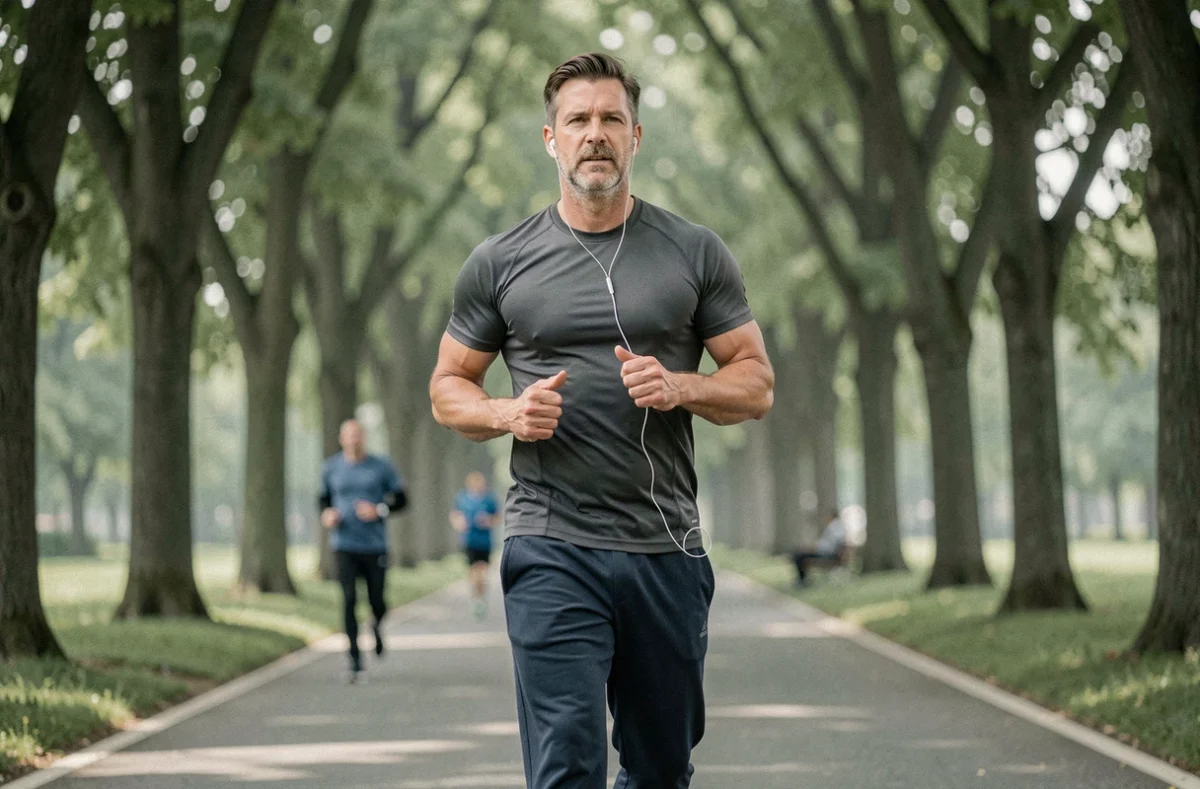
Sports practice is increasing in France. There are more morning runners, full gyms in the evening, and downloaded coaching apps. The rise in physical activity is documented by several specialized sources.
Sleep, however, does not follow the same trend. Field reports vary on this point, but the general trend points to a persistent sleep debt, even among regular practitioners. Moving more does not automatically compensate for a late bedtime or a screen on until midnight.
What sabotages recovery despite exercise
- Late training (after 9 PM) raises body temperature and delays falling asleep, even if physical fatigue is real.
- The blue light from performance tracking apps, checked in bed, blocks melatonin secretion when the body needs it.
- Lack of consistency in bedtime disrupts the internal clock, negating some of the benefits of the day’s session.
Exercise only strengthens health if sleep follows suit. It’s better to set a stable bedtime rather than adding an extra session during the week. A body that recovers poorly accumulates stress instead of releasing it.
Health prevention in France: towards a model less focused on individual care
The Senate report (n° 789), titled “A lot of care, but little health,” makes a direct observation: the French system invests heavily in curative care and little in coordinated prevention. This analysis goes beyond personal advice and questions equitable access to well-being initiatives.
For those of us looking to improve our daily lives, this means that prevention does not solely rely on individual will. The environment matters: access to green spaces for walking, availability of quality food at affordable prices, and the ability to consult a healthcare professional without excessive delay.
Three concrete levers to activate without waiting for reforms
Rather than waiting for systemic change, we can act on what depends on us.
- Use walking as a daily means of transport rather than as a planned sports activity. Walking thirty minutes a day, broken into short trips, produces measurable effects on stress and energy.
- Practice cooking with raw ingredients two to three times a week. This reduces exposure to additives and strengthens the connection between food and the body.
- Identify a primary health contact (general practitioner, pharmacist, nurse) and consult them at least once a year outside of any symptoms for a preventive check-up.
Changes after 30: what the body signals and what we often overlook
From the age of thirty, certain signals appear without being linked to a normal physiological change. Longer recovery after exertion, less elastic skin, energy dropping in the mid-afternoon. These manifestations do not indicate a pathology but rather a gradual adaptation of metabolism.
Ignoring these signals leads to pushing oneself at the same pace as at 25, with disappointing results and increasing frustration. Adjusting physical practice (favoring regularity over intensity), modifying diet (more protein, fewer fast sugars in the evening), and respecting sleep cycles are the three adjustments that yield the most visible results in a few weeks.
Well-being after 30 also involves accepting a new rhythm. The body does not decline: it changes its mode of operation. Working with these changes rather than against them prevents burnout and preserves long-term sustainable health.
Recent health news converges on a common thread: daily well-being relies on the interplay between sleep, physical activity, nutrition, and social life, not on any one of these pillars taken in isolation. The Senate report and WHO data on loneliness remind us that health is also built through the environment and relationships. The challenge remains to transform these observations into concrete habits, week after week.