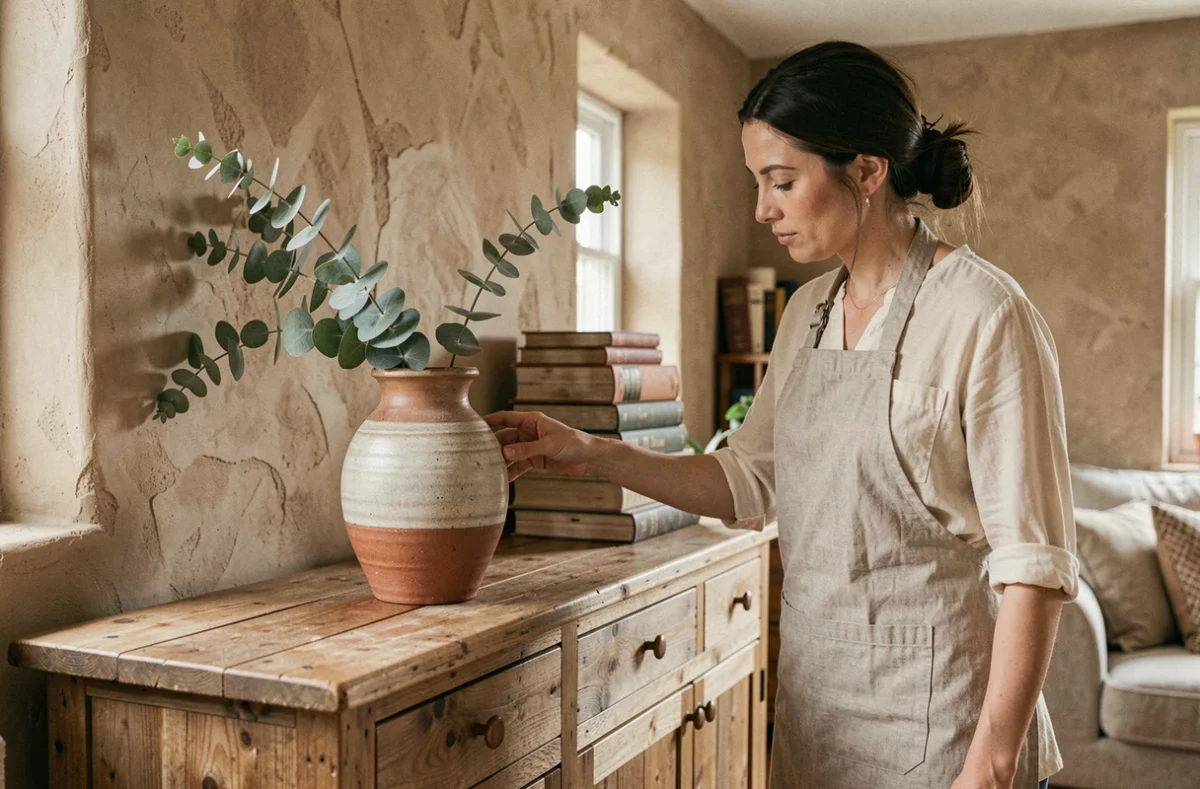
A handcrafted decorative creation stands out from an industrial object by a precise technical characteristic: the direct intervention of the hand on the material, from shaping to finishing. This process produces variations in texture, thickness, or hue that make each piece unrepeatable. Enhancing an interior with these artisanal decorative creations requires understanding what gives them real value, beyond visual appeal.
Safety and traceability of artisanal creations: what European regulations change
Handcrafted decorative objects are now subject to the same safety requirements as industrial products. The European regulation on general product safety, applicable since December 13, 2024, requires creators – including small workshops selling online – to provide traceability information, identify the manufacturer, and specify the intended use of each piece.
For wooden creations (shelves, decorative panels, accent furniture), a second text deserves attention. Since August 6, 2026, the REACH regulation limits formaldehyde emissions from wood-based furniture to 0.062 mg/m³ in the European market. In practical terms, this means asking the artisan about the nature of the glues and varnishes used, not just about the type of wood or the style of the piece.
A catalog offering a variety of artisanal creations, like the one available at zam-creation.fr, allows for comparing materials and finishes before making a commitment. The verification process remains the same regardless of the purchasing channel: request a product sheet, check maintenance instructions, and ensure that the materials comply with current regulatory thresholds.
Raw materials in wall decoration: wood, ceramic, and artisanal textiles
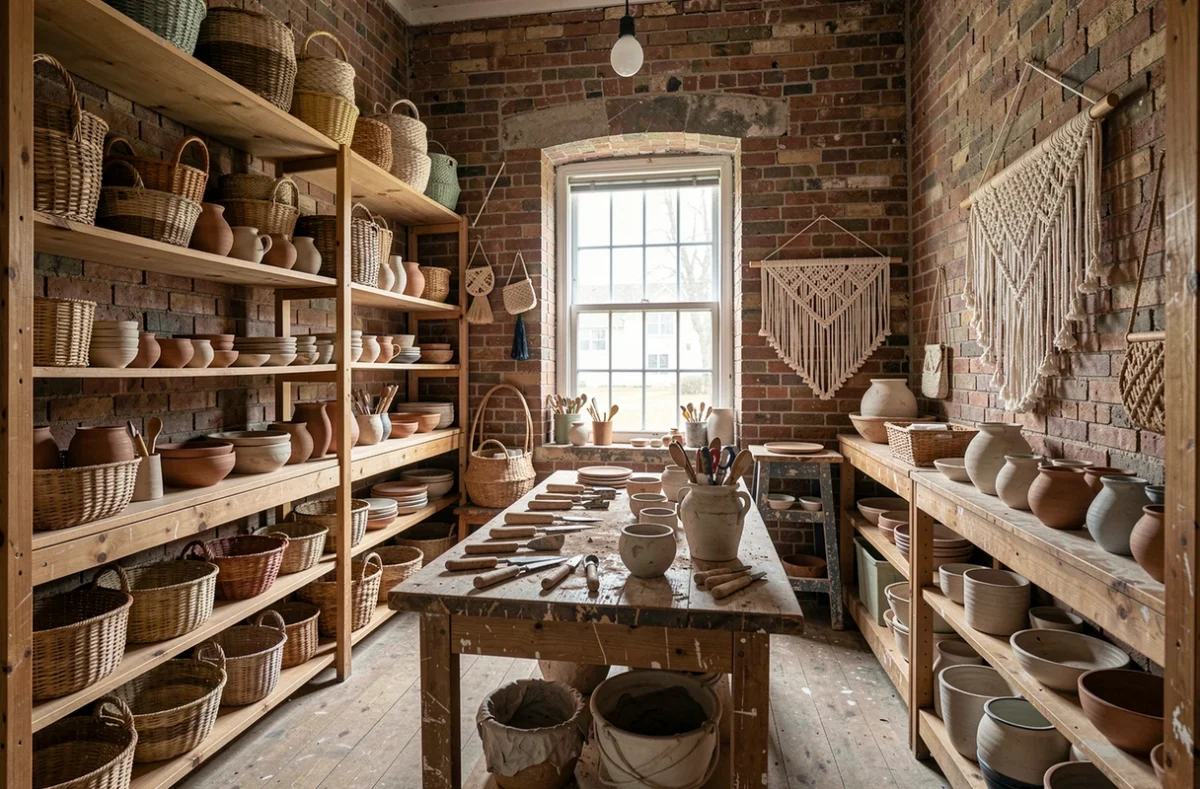
The choice of material determines the atmosphere of a space more than the shape of the object. Three families of materials dominate artisanal wall decoration, each with its own technical constraints.
Wood and sculpted panels
A solid wood wall panel ages differently depending on the species and surface treatment. Raw oak grays over time, while walnut darkens. A natural oil-based varnish protects without blocking this aging, whereas a polyurethane varnish freezes the appearance but may pose a compliance issue with the new formaldehyde thresholds if the panel contains glued layers.
Wooden wall sculptures made from recycled materials add an extra dimension. Each piece bears traces of previous use (nails, patina, slight cracks) that contribute to the character of the piece.
Ceramics and terracotta on the wall
Handcrafted ceramic tiles exhibit color variations from one piece to another. These irregularities are not defects: they result from kiln firing, where the temperature fluctuates according to the position in the heating chamber. A wall dressed with these tiles produces a play of shades impossible to achieve with an industrial tile calibrated to a tenth of a millimeter.
Handwoven wall textiles
Wall tapestries and weavings absorb some of the sounds in the room, making them a functional as well as aesthetic choice for a living room or office. Linen, raw cotton, and wool remain the most common fibers. For home textiles, French regulations provide for a phased ban on PFAS (perfluoroalkyl substances) in certain categories such as curtains and rugs, guiding the choice towards plant-based or mineral dyes.
Creating a wall of artisanal creations in a living room
Hanging several artisanal pieces on the same wall in the living room requires a different reasoning than that applied to photo prints or standard paintings. Artisanal objects have varying thicknesses, weights, and textures that create relief.
Three principles help avoid a disordered result:
- Group pieces by material family (all wood together, all ceramics together) rather than by color. Texture consistency takes precedence over color consistency when objects have volume.
- Leave space proportional to the visual weight of each piece. A heavy stoneware object needs more air around it than a light embroidery on a frame.
- Place the most imposing piece slightly off-center on the wall. Strict symmetry suits reproductions, not unique objects whose dimensions and shapes do not correspond.
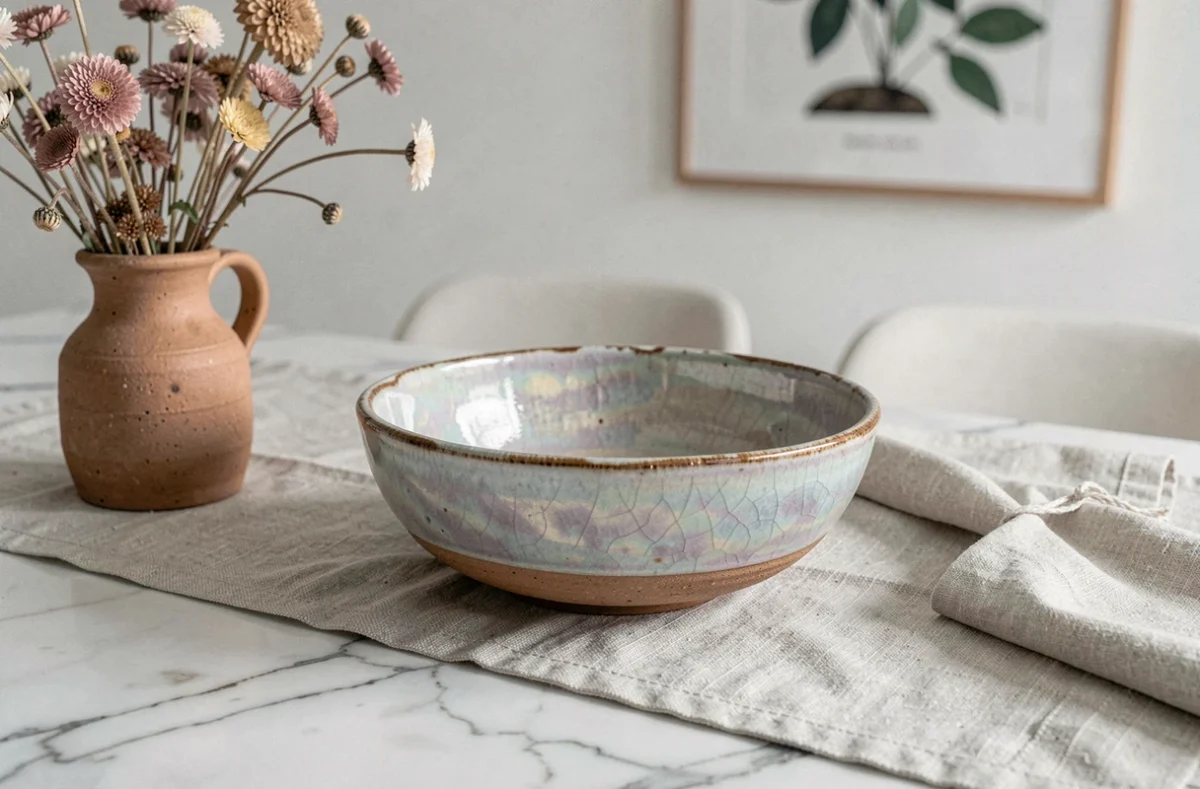
The style of the living room also dictates the density of the hanging. A minimalist interior supports one or two strong artisanal pieces, isolated. A more eclectic style space allows for a controlled accumulation, provided a material thread is maintained.
Quality of an artisanal piece: technical criteria to check before purchase
The perceived quality of a handcrafted decorative object is not limited to its appearance. Several technical points separate a durable piece from a fragile object sold as artisanal.
- The finishes of the joints: on a piece of furniture or an assembled object, check whether the joints are dowelled, glued, or simply fitted together. A mortise and tenon joint remains the mark of careful artisanal work on wood.
- The uniformity of firing for ceramics: an under-fired object sounds hollow and absorbs water. Running a damp finger over the unglazed surface allows testing for porosity.
- The consistency of weaving for textiles: variations in tension in the weave indicate manual work, but loose threads or visible knots on the front signal a manufacturing defect.
- The presence of a maintenance sheet: an artisan who documents the necessary care (type of cleaner, exposure to light, humidity conditions) demonstrates a deep understanding of their material.
These checks take a few minutes and prevent disappointments with pieces whose price normally reflects real craftsmanship. A well-chosen artisanal object lasts for years without losing its decorative quality, whereas a mass-produced object loses its appeal as soon as the trend passes.