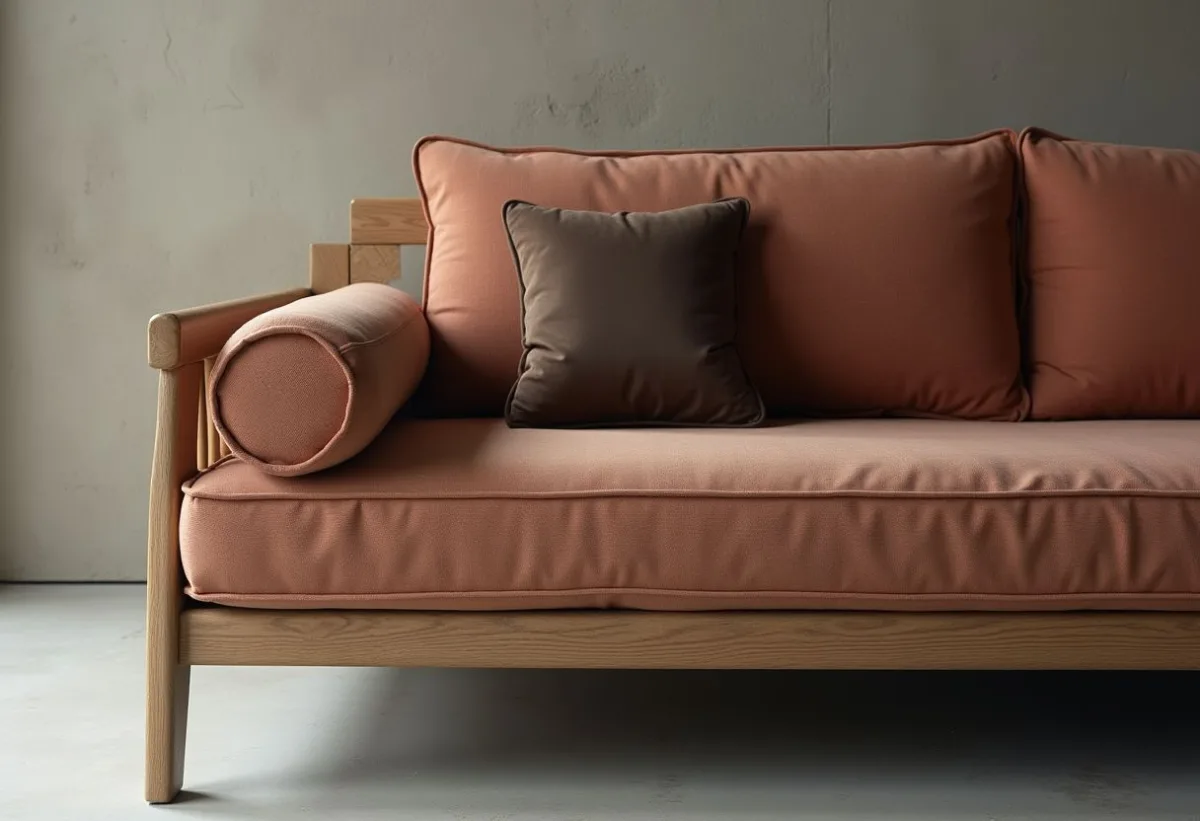
Choosing a daybed is a decision that should not be taken lightly. Not only does it serve as a functional piece of furniture, but it also adds an aesthetic touch to your space. Yet, a recurring question remains: why do prices vary so much? The material used not only dictates the appearance and durability but also has a significant impact on the cost. By understanding the differences between each material, one can make a more informed choice that suits their needs. Whether you are drawn to solid wood, sturdy metal, or elegant fabric, each option has its own advantages and disadvantages.
Wood: an authentic and durable material
Wood has always been a popular choice for furniture, especially for daybeds. But what makes wood so special, and why is its price often higher?
- Type of wood: the type of wood used plays a major role. Oak, for example, is often more expensive due to its sturdiness and longevity. Conversely, woods like pine or plywood are more affordable but have lower durability.
- Finishes: the finishes applied to the wood, such as varnish or paint, can also influence the final price. High-end finishes will offer additional protection and a refined aesthetic but will come at an extra cost.
- Handcrafted production: beds made by skilled artisans are often more expensive. This premium is justified by the attention to detail and the superior quality of the finished product.
Metal: modernity and sturdiness
Metal daybeds attract those looking for a modern and industrial style. Sometimes perceived as more affordable, these models can surprise with their cost depending on certain criteria.
The metals used vary, thus influencing the price. Aluminum, lightweight and resistant to corrosion, is often more expensive than steel, which is heavier but robust. The finishes of the metal, such as coating or chrome plating, also add to the final bill. The complexity of the design plays a role as well. A metal frame with simple lines will generally be less expensive than a structure adorned with intricate details. The perception of metal’s durability, often associated with a long lifespan and minimal maintenance, contributes to its perceived value.
Fabric: comfort and elegance
Opting for a daybed upholstered in fabric offers a different sensory experience, combining comfort and aesthetics. But how does this reflect on the price?
- Type of fabric: cotton, wool, velvet, or synthetic fabrics all come with different costs. Velvet, for example, adds a touch of luxury but at a higher price.
- Quality of padding: the seating comfort depends on the quality of the padding. Memory foam padding will be priced higher than standard foam.
- Maintenance and durability: fabrics treated to resist stains and everyday wear often justify a higher price, as they extend the lifespan of the furniture.
- Design and color: exclusive designs or trendy colors can also drive up the cost. A custom design or bespoke color options represent an additional investment.
The choice of material for a daybed should not be taken lightly, as its influence on price and user experience is real. Whether it’s the timeless charm of wood, the modernity of metal, or the elegance of fabric, each option presents distinct advantages that deserve to be weighed. Budget considerations, aesthetic preferences, and durability needs are all factors that will guide your decision.